There are many different types of loft conversions that are regularly used to increase the living space and value of a property, but choosing the type of conversion that is best suited to your home depends on several factors, from your existing roof structure to any local planning restrictions. In this article, we will outline the considerations homeowners ought to make when deciding on the type of loft conversion that is best suited to their home, before exploring some of the most popular methods used today.
Why Are There Different Types of Loft Conversion?
There are multiple approaches to loft conversions because each home presents its own set of structural, regulatory and personal considerations. Depending on the period of the property and construction of its roof, certain types of loft conversion might be at odds with its aesthetic or physically impossible given its foundation. Furthermore, local building regulations limit how homeowners can change their property, influencing factors such as building materials, the dimensions of the extension, or even its appearance.
Beyond these external constraints, the personal and financial circumstances of the homeowner should be instrumental in how they choose which type of loft conversion to have. Depending on how they intend to use the space, the desired level of finish and the budget they have for the renovation, homeowners may be drawn to conversions that better align with their priorities.
What Should You Consider When Choosing a Loft Conversion Type?
From your existing headroom and its impact on the functionality of the space, to any budgetary or local building authority restrictions placed on your project, there are many practical and compliance considerations you need to make to choose the right conversion for your loft. These include:
Available space
The head height, floor space and roof pitch of your property will significantly influence what type of loft conversion is possible. Without the requisite headspace for the staircase leading into your loft, you may need to incorporate certain structural elements to ensure your conversion complies with building regulations, ultimately guiding you toward the most suitable conversion approach for your project.
Intended use
Whether you are creating an additional bedroom or bathroom to accommodate your growing family, an office for working from home, or a flexible living space for your whole family, the function of your conversion should influence the approach you choose. Tall items of furniture, such as wardrobes, require sufficient head height and wall space to be incorporated comfortably within the space, whereas shower enclosures require additional room for plumbing above and below. All of these may necessitate extensive conversions to accommodate.
Property type
Each architectural period has its own distinct style and construction methods, which you will need to consider when deciding on the type of loft conversion that is most suitable for your home. The prefabricated trusses that are common in many new build properties often need to be replaced to facilitate conversions, whereas inserting modern elements into period properties can impact the aesthetic quality of your home, reducing its curb appeal or creating problems with your local planning authority.
Local building regulations
While your loft conversion must comply with national building regulations relating to structural safety, fire protection and access to your property, there may be local planning requirements specific to your area that apply additional constraints to your project. Homes in conservation areas or on streets with consistent rooflines may be required to emulate the design of neighbouring properties to preserve the streetscape and maintain the existing skyline, which can seriously limit the type of loft conversion that is permitted.
Budget
Transforming your loft space into a master bedroom with an en-suite may seem like the ideal outcome, but the scope of your project will ultimately be determined by your available budget. Major renovations that require extensive plumbing and electrical work will significantly increase costs, so homeowners working within tighter financial constraints would be wise to consider conversions with a more modest scope and demand fewer structural and service alterations.
What Is a Dormer Loft Conversion?
Loft conversions with a dormer involve extending from the existing roof structure to create vertical outward-facing walls and consistent head height inside the conversion. This is achieved by building a rectangular structure that projects from the sloped section of the roof, before integrating it with the main roofline with an angled roof to provide a more cohesive external appearance.
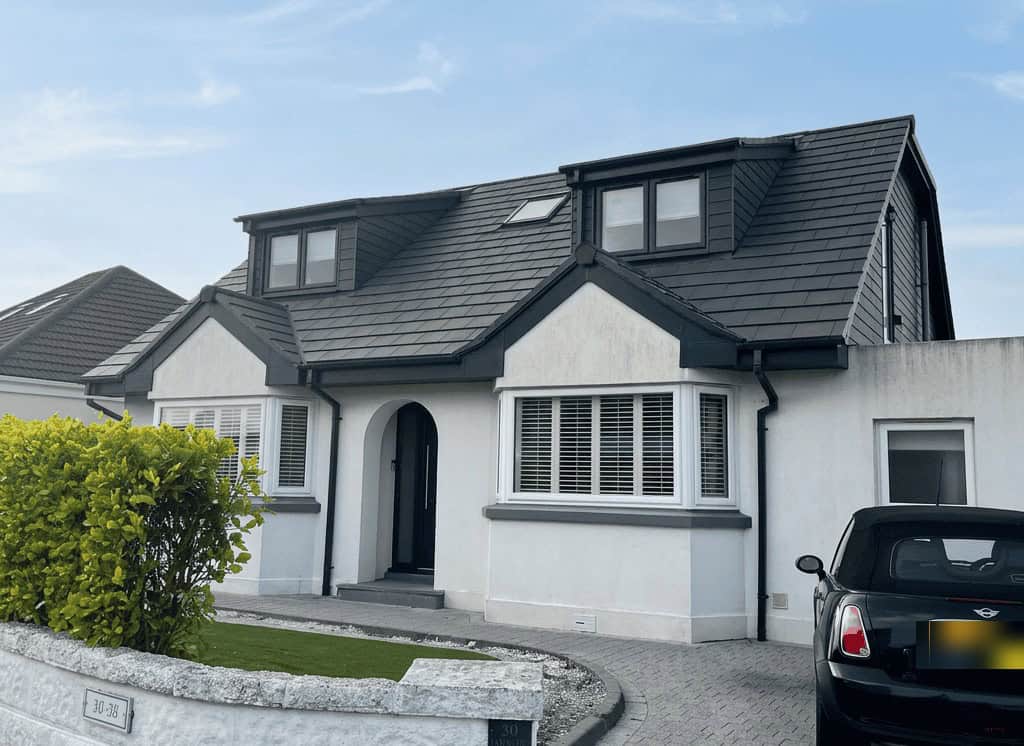
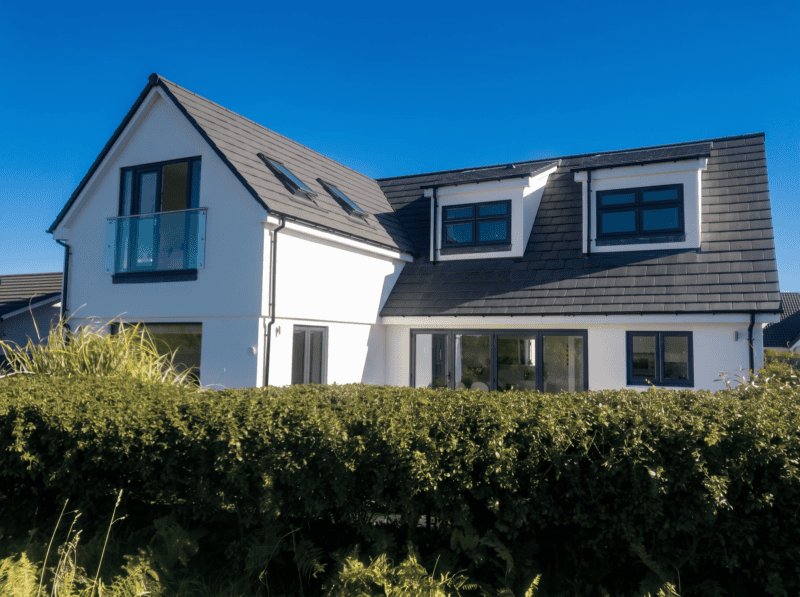
This is the most popular type of loft conversion among homeowners living in traditional terraced or semi-detached properties, allowing more livable dimensions inside their limited attic space without extending beyond the height of neighbouring houses. Dormers are particularly common in converted 1930s homes that had severe roof pitches, as well as in bungalow loft conversions, where they can effectively create an entirely new storey above the existing property.
While this approach is widely favoured for its ability to unlock usable space with relatively minimal structural intervention, there are still considerations around design impact, cost and neighbouring properties that should be taken into account:
Pros:
- Maximise space: Dormers add substantial headroom and usable floor area compared to standard loft layouts.
- Efficiency: The installation of these rectangular structures is typically faster and less disruptive than other types of loft conversion.
- Cost-effective: By extending from the existing roof, dormer conversions typically require fewer materials and less structural work, helping to keep costs down.
- Permitted development: As they do not usually increase the roof height or projection of the property, dormers often fall under permitted development rights, reducing the need for full planning permission.
Cons:
- Aesthetic changes: The addition of a box-shaped structure will significantly alter the external appearance of the property and may not suit every architectural style.
- Neighbour disputes: Larger dormers could obstruct visibility or sunlight for neighbouring properties, which could lead to party wall objections.
What Is a Mansard Loft Conversion?
Mansard loft conversions involve altering the angle of the existing roof until it is almost vertical, achieving slightly sloped walls inside the property. These structures are typically topped with flat roofs, while windows are inserted into the new structure to maximise light in the converted living space.
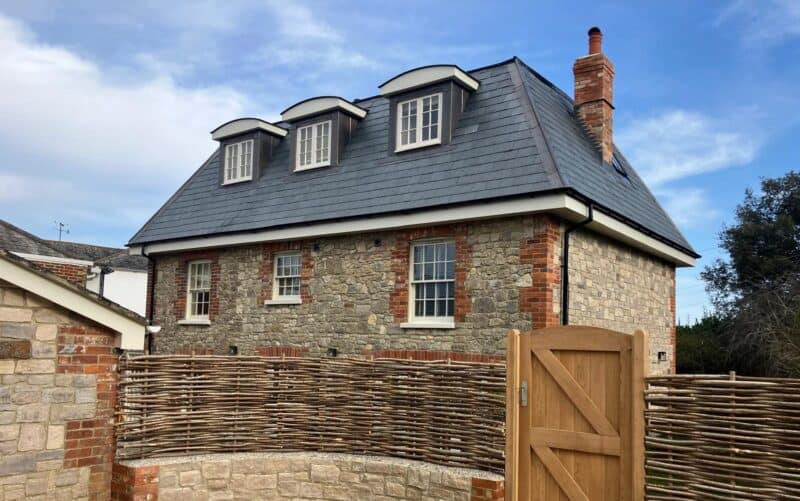
This technique was designed to allow the converted property to preserve its architectural character, which is why it is predominantly used to convert Victorian and Edwardian terraced homes, as well as period properties in conservation areas. By replicating the materials and aesthetic of these properties in the new roof structure, this type of loft conversion can respect the roofline of the surrounding area while maximising the living space for occupants.
Given the scale of transformation involved, mansard loft conversions offer a distinct balance between design sensitivity and structural intervention. While they are particularly well-suited to properties where maintaining the external character is as important as gaining internal space, this comes with added complexity and regulatory considerations.
Pros:
- Increase space: By creating nearly vertical walls and adding a flat roof, mansards provide significantly more headroom and floor area than other types of conversion.
- Aesthetic integration: Mansard designs blend seamlessly with your existing property, preserving the character of period homes and meeting the requirements of conversation areas.
- Increase property value: Due to the abundance of additional living space these conversions create, they can add up to 20% to the property value.
Cons:
- Structural complexity: As most of the existing roof needs to be replaced to accommodate a mansard, this method of conversion can take much longer to complete, resulting in additional disturbance for the homeowner.
- Higher cost: Due to the scale of the renovation, mansard loft conversions can be more expensive than simpler alternatives.
- Planning permission: Changing the roof pitch for mansard designs often involves increasing the height of the property, meaning projects will require planning permission before they can go ahead.
What Is a Hip-to-Gable Loft Conversion?
As the name would suggest, this type of loft conversion involves removing the sloped ‘hip’ end of the roof and replacing it with a vertical ‘gable’ end, increasing the internal head height while creating space to house an additional window. While this approach was developed to rectify the hipped roofs that were common in urban areas during the 1920s and 30s, they have become especially popular in detached and semi-detached loft conversions, as homeowners can extend one or both sides of their property to maximise their internal space.
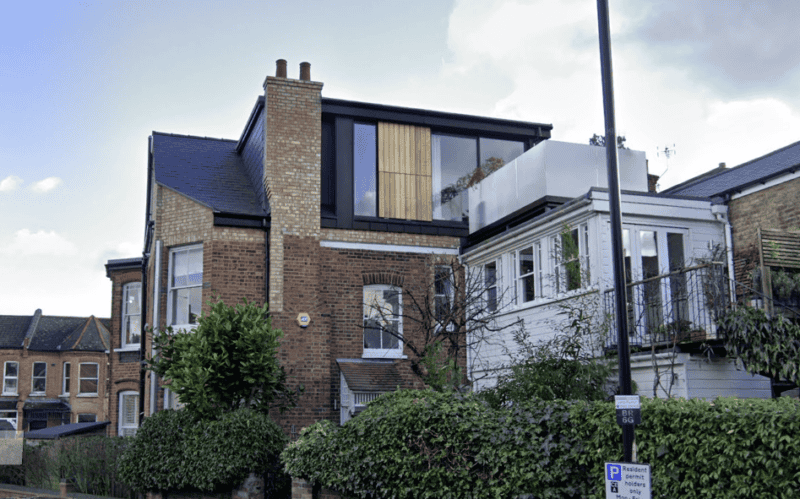
Although the alterations involved are relatively focused, the impact on the interior layout and exterior appearance can be significant, making hip-to-gable conversions a powerful way to improve loft usability where the roof structure allows. That said, their suitability is closely tied to the existing property type and surrounding planning context, so it is important to consider both the advantages and limitations before moving forward.
Pros:
- Improve headroom: Replacing the sloping side of the loft with a straight outward-facing wall dramatically increases the head height, making it easier to incorporate a staircase and larger windows for more natural light.
- Modernise design: For detached and semi-detached properties from certain periods, hip-to-gable conversions allow homeowners to update the design of their home while gaining valuable living space.
- Pair with dormers: Once the hipped roof has been replaced, the additional roof area creates the ideal conditions for installing a dormer, further increasing the internal space.
Cons:
- Property-specific: As this type of conversion is only suitable for homes with hipped roofs, it is not a viable option for many other styles of properties, such as modern builds and mid-terraces.
- External appearance: Introducing a gable end will change the roofline, which may not suit the aesthetic of some properties and could raise concerns with some local planning authorities.
- Possible planning restrictions: While hip-to-gable conversions are often covered by permitted development rights, planning permission may still be required in certain circumstances, such as conservation areas.
Transform Your Property with Our Prefabricated Approach
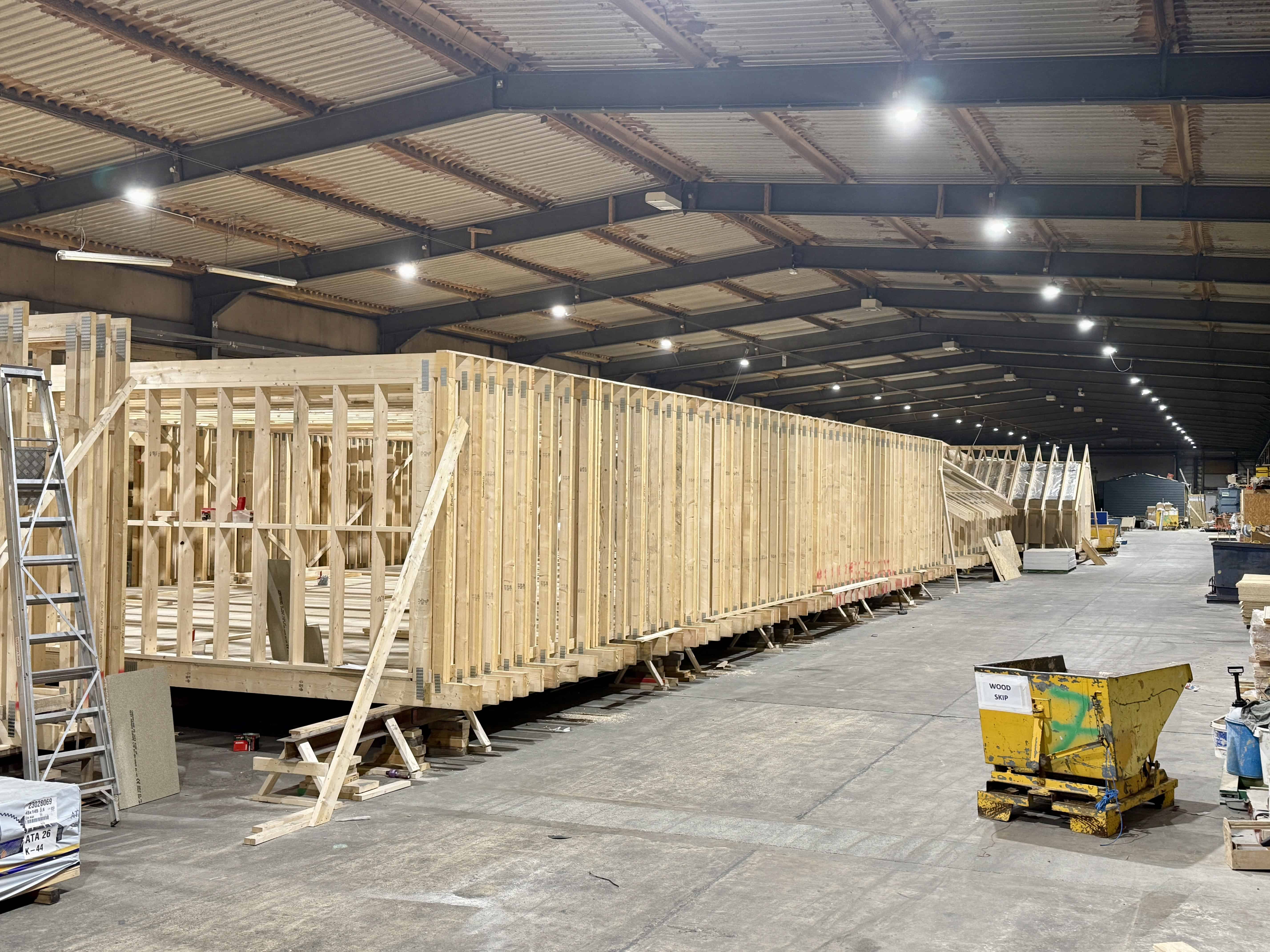
Whether you want to create additional space in your period property or add another storey to your bungalow, obtaining planning permission and undertaking the construction can be a lengthy process, often involving significant disruption for the household during the conversion. At Moduloft, we are able to minimise the upheaval and duration of any type of loft conversion by completing the majority of the construction in our off-site factory, starting work while your planning application is under review and then crane-lifting your completed living space onto your home.
For more information about our process of prefabrication and installation, or to discuss the different types of conversions with one of our designers, please contact us today for more insights and an obligation-free estimate for your project.