
Investing in a loft conversion is an effective way to increase your living space and property value, but it’s also a massive undertaking that requires careful planning at every stage. With such large-scale home projects, mistakes can cost lots of time and money to put right, so it’s essential to take a considered approach and familiarise yourself with common oversights in advance. This article will outline the seven most common mistakes people make when planning a loft conversion, as well as key aspects of your project to consider ahead of time.
Common Loft Conversion Mistakes
Early errors can lead to loft conversion problems at any stage of the process, so it’s important to research in depth and adhere to local building regulations when designing your new space. With that in mind, here are the most common loft conversion mistakes to avoid when expanding your home.
1. Not making sure your property is suitable
As obvious as it may sound, you should always check whether your property is suitable for a loft conversion. Many homeowners skip straight to buying materials and hiring builders rather than devising a loft conversion plan suited to their unique property, rendering their new space at best impractical and at worst unusable.
2. Choosing the wrong loft conversion type
Similarly, make sure that you plan a sensible type of loft conversion for your property. This may require some compromise on aesthetics, as you may love the look of a mansard or hip-to-gable loft conversion, for example, but find that your home can only accommodate a dormer or roof light one.
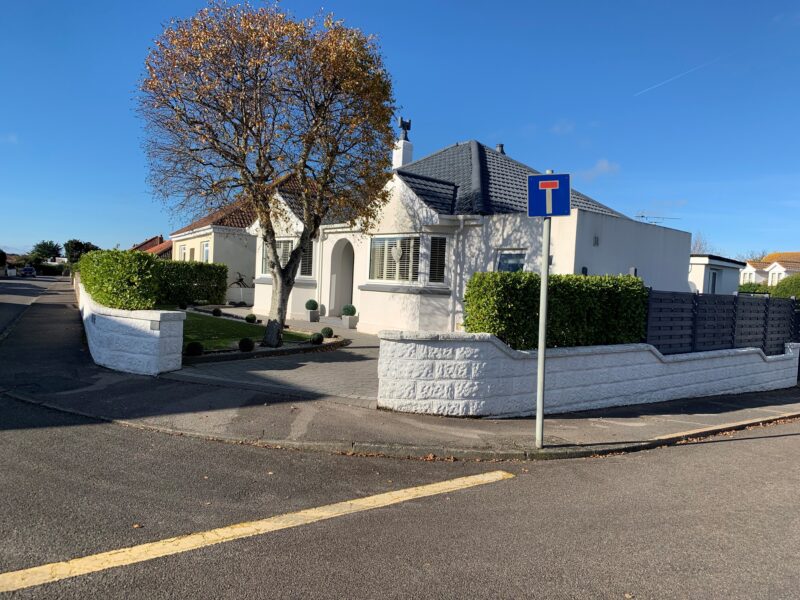

Before After
3. Assuming you don’t need planning permission
Major alterations often require planning permission, which ensures that building projects comply with regulations, preserve conservation areas or historic architecture, and protect neighbours from loss of light or privacy. Forging ahead without permission from your local authority can result in a fine or an enforcement notice requiring you to undo the work.
4. Ignoring building regulations
Building regulations are minimum legal standards for the design, construction and alteration of buildings and help protect people’s health and safety. If you ignore building regulations, you may have to fix or undo non-compliant work at your own expense, or even face fines and legal action.
5. Failing to measure for proper head height
When developing a loft conversion plan, many people forget to allow enough room to comfortably stand and walk around their new space. From floor to ridge beam, lofts need to measure at least 2.2 metres to meet building regulations. To avoid loft conversion height problems down the line, always get a proper survey done before commencing any building work.
6. Forgetting to consider your neighbours
During loft conversion planning, there is no underestimating the importance of communicating with neighbours. Keep them in the loop; the more they know, the fewer doubts and concerns they are likely to have. Additionally, if you live in a semi-detached or terraced property, you will need to sign a valid party wall agreement before you can start.
7. Not budgeting properly
One of the worst loft conversion mistakes is going into your project without full awareness of the cost. Be clear about your budget with your builders, especially when taking a traditional rather than a modular construction route; on-site building often comes with hidden costs due to delays and unforeseen loft conversion structural problems.
Tips for Developing a Loft Conversion Plan
All these mistakes come at a cost and greatly impede your progress. However, you can avoid problems with loft conversions entirely by planning ahead and keeping specific aspects of your project front of mind. Here are the most important aspects of your loft conversion to consider in advance.
1. Know the purpose of your conversion
Understanding what you want and need from your loft conversion is the first step in creating extra space that works for you. Rather than install an additional room and fill in the blanks later, use your need for another bedroom, bathroom, home office or den to guide your design and construction from the very beginning.
2. Think about access in advance
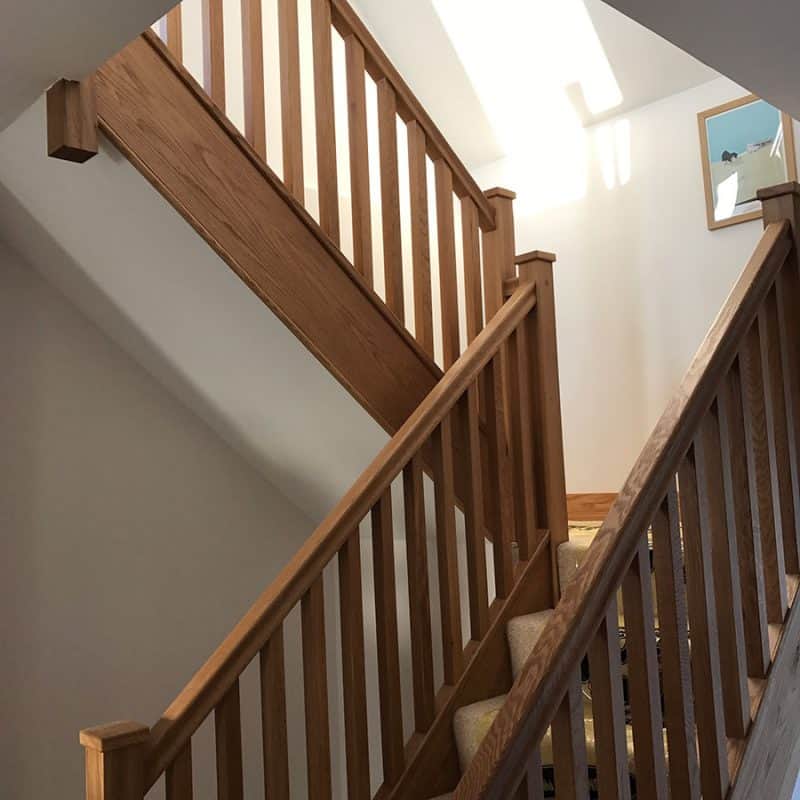
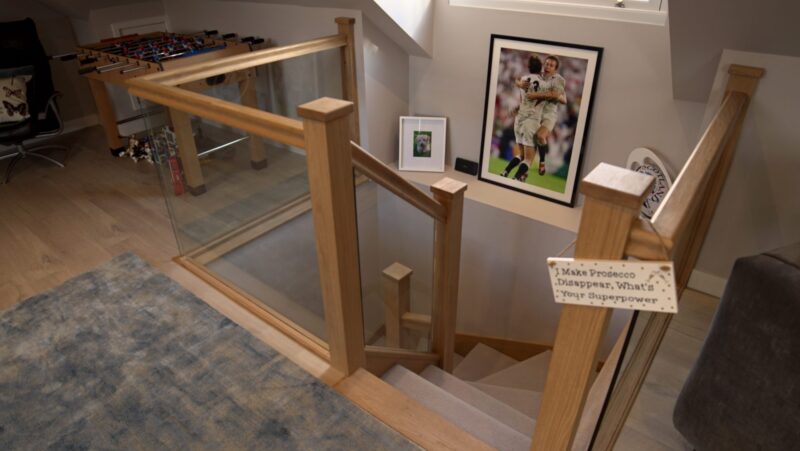
While they may not be the most exciting element of a loft conversion, stairs are an important consideration. Given that poor placement can ruin the flow of your new space, it’s worth thinking about your access point early in the process. Rather than add stairs or even a ladder as an afterthought, try to integrate them into your design from the start.
3. Consider where you will store the current contents
Unless your loft is currently empty or you plan to discard most of the contents before your conversion comes underway, you need to consider where your possessions will live in the future. By incorporating smart storage into your new space, such as built-in wardrobes and cupboards, you can use your loft for both living and safekeeping.
4. Plan for lighting and ventilation
To avoid loft conversion condensation problems, keep lighting and ventilation front of mind when designing your expansion. Create a bright, welcoming atmosphere with generous windows and prevent damp with proper airflow. Consider placement, energy efficiency and building regulations when factoring in these elements.
5. Choose the right professionals
Selecting the right team is essential for such a specialised project as a loft conversion. Hiring professionals with industry expertise ensures your space is safe, legally compliant and adds maximum value to your home. Commission a quote from a range of companies and read up on their processes to see whether you are getting the best deal for your loft conversion plan. Read our other helpful articles on The Ultimate Guide to Loft Conversions and our Modular vs Traditional Conversions pages.
Avoid Loft Conversion Problems with Moduloft
At Moduloft, we offer full-service loft conversions, constructing off-site and installing new spaces in as little as a few weeks. For a seamless experience without any loft conversion problems, our designers and engineers work with you to cover all bases. Please contact us for more information about our loft conversion planning and delivery services, or fill in our quote form.